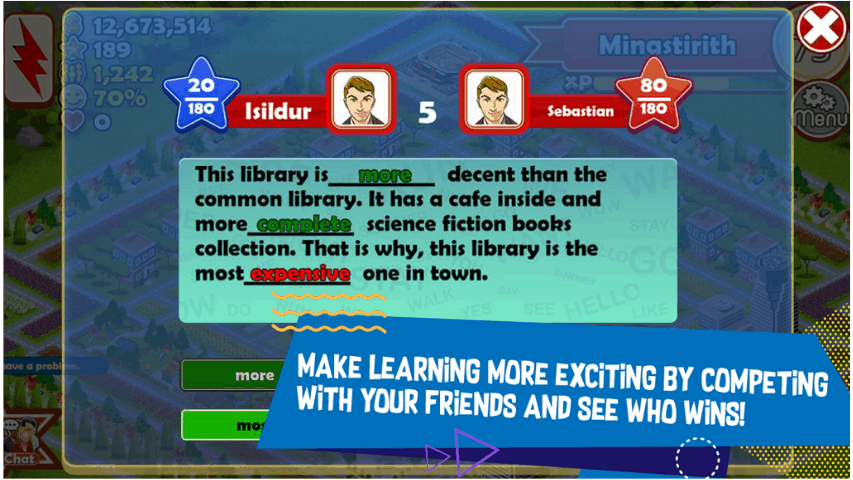
In recent years, a quiet revolution has been taking place in the realm of education. What was once a conventional, classroom-centered approach to learning is now undergoing a remarkable transformation, driven by the rise of mobile gaming and gamification. Educational institutions, teachers, and students are discovering the power of these digital tools in shaping the future of learning.
The Gamification Boom
Gamification, the integration of game elements and mechanics into non-game settings, has emerged as a game-changer in the education sector. It takes the inherent engagement and motivation that games offer and channels it into the learning process.
This concept extends beyond the classroom and is especially potent in the context of mobile gaming. With smartphones and tablets becoming nearly ubiquitous among students, gamified learning experiences are more accessible than ever before.
Why Mobile Gaming in Education?
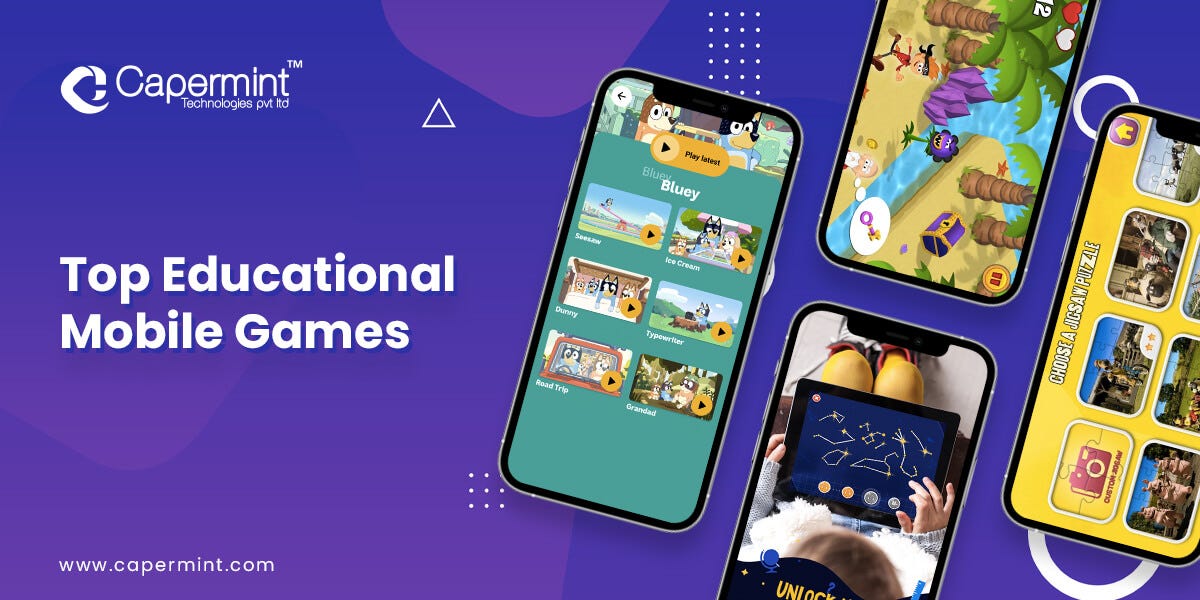
So, what makes mobile gaming a perfect match for education? Let’s explore some of the key advantages:
- Engagement: Games are inherently engaging. They captivate players with interactive challenges, rewards, and a sense of achievement. This engagement translates into a higher level of student participation and motivation.
- Personalization: Mobile games often adapt to a player’s skill level and progress. In the educational context, this adaptability allows for customized learning experiences, catering to individual strengths and weaknesses.
- Immediate Feedback: Gamification provides instant feedback on performance, allowing students to learn from their mistakes and successes. This timely feedback loop can significantly enhance the learning process.
- Competition and Collaboration: Mobile games can be designed to encourage both competition and collaboration among students. Friendly competition can motivate learners, while collaborative elements promote teamwork and problem-solving skills.
- Accessibility: Mobile gaming is highly accessible. With mobile devices, students can access educational games anytime and anywhere, reducing the restrictions of a physical classroom.
Gamification in Practice
Here are a few ways in which mobile gaming is making an impact in education:
- Learning Apps: Numerous educational apps offer games and interactive lessons on a wide range of subjects, from math and science to history and languages.
- Augmented Reality (AR): AR apps blend the real world with digital elements, creating immersive learning experiences. For example, students can explore historical sites through AR applications or dissect virtual frogs in biology class.
- Virtual Reality (VR): With VR headsets, students can step into virtual worlds, which can be especially beneficial for subjects like geography and history.
- Educational Gamification Platforms: Many platforms are designed to help educators incorporate gamified elements into their teaching, allowing them to create custom quizzes, flashcards, and more.
Success Stories
Educational institutions worldwide have reported success in implementing mobile gaming and gamification. These stories highlight the significant transformation in learning experiences:
- Kahoot!: Kahoot! is a game-based learning platform that enables teachers to create and share quizzes, surveys, and discussions. The platform has engaged millions of students worldwide, turning learning into a fun and interactive experience.
- Duolingo: Duolingo, a language learning app, uses gamification to keep language learners motivated. The app offers points, rewards, and leaderboards to create a competitive and enjoyable language learning environment.
- Minecraft: Education Edition: The popular game Minecraft has an educational counterpart. Educators have used Minecraft to teach subjects like math, history, and computer programming, turning abstract concepts into tangible, creative projects.
Challenges and Considerations
While the benefits of mobile gaming in education are compelling, there are some challenges to consider:
- Content Quality: Not all educational games are created equal. Ensuring that the game content aligns with curriculum standards and provides real educational value is crucial.
- Screen Time: Balancing screen time with other forms of learning and physical activity is important, especially for young students.
- Access and Equity: Not all students have equal access to mobile devices and high-speed internet, which can create disparities in access to gamified learning.

The Future of Learning
Mobile gaming’s integration into education is an exciting journey that holds immense potential for the future. Gamification in education is breaking down barriers, making learning more engaging, effective, and accessible. As technology continues to evolve, so too will the opportunities for students to embark on thrilling educational adventures through mobile gaming. With this powerful tool, the world of learning is at the fingertips of every student, paving the way for a brighter, gamified future.
Other Posts you might enjoy:
1. https://medium.com/@mobilegionx/gaming-companies-powering-positive-change-through-social-responsibility-e9d584894e02
2. https://medium.com/@mobilegionx/hidden-gems-underrated-mobile-games-that-deserve-your-attention-feb3386f2378
3. https://medium.com/@mobilegionx/the-intersection-of-mobile-gaming-and-health-how-games-are-promoting-well-being-72e85dcce61a

 Mobile Games
Leave a comment